“Debohra” Long trip for tunnel boring machine
October 20, 2025 | Moritz Glück
The “Debohra” tunnel boring machine is unique, manufactured by the German manufacturer of tunnel boring machines Herrenknecht. The cutting wheel measures around seven meters in diameter, while the drilling machine itself weighs around 1,300 tons and, when fully assembled, reaches a length of more than 120 meters. With a drive power of 1.92 megawatts or the equivalent of 2,600 horsepower, it digs its way through Vienna's underground meter by meter with its huge cutting wheel.
Three nights, three lifts, three transports
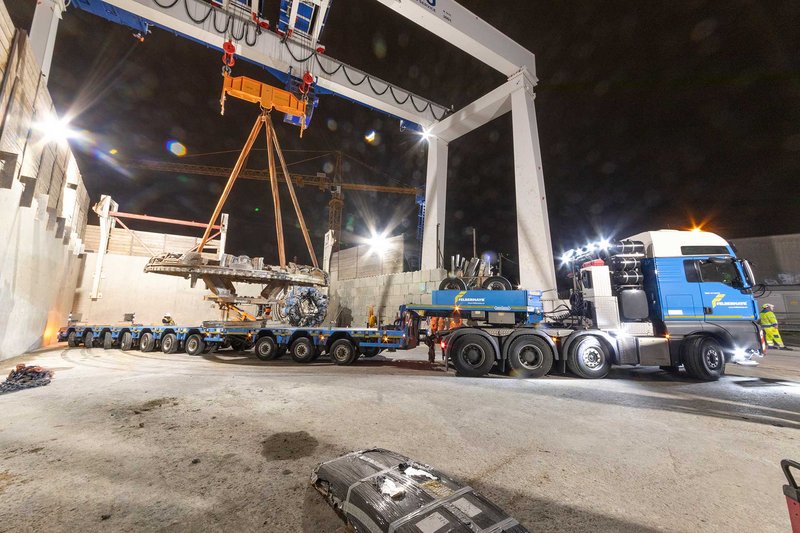
In order for “Debohra” to start working on the new excavation section, it had to be partially dismantled, loaded and transported back to Matzleinsdorfer Platz on the surface. The central chapter of this epic was therefore written by the experts in transport and lifting technology from Felbermayr, who excavated these huge components on Augustinplatz and maneuvered through Vienna at night.
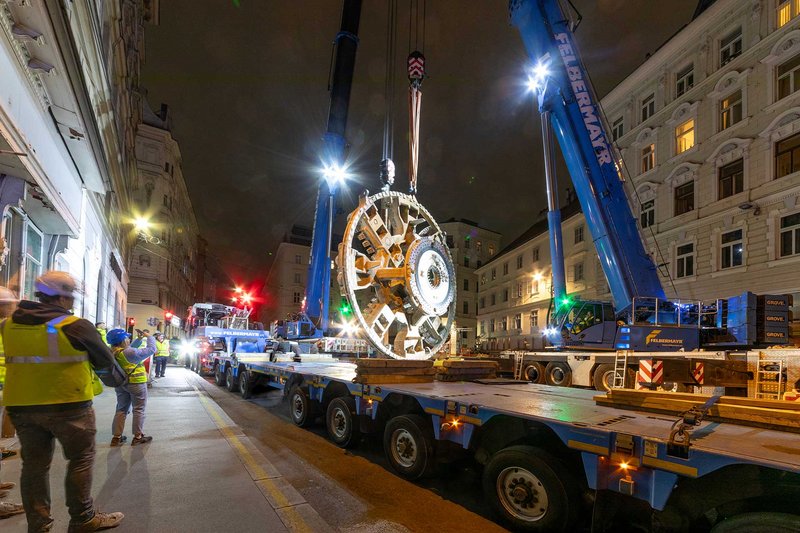
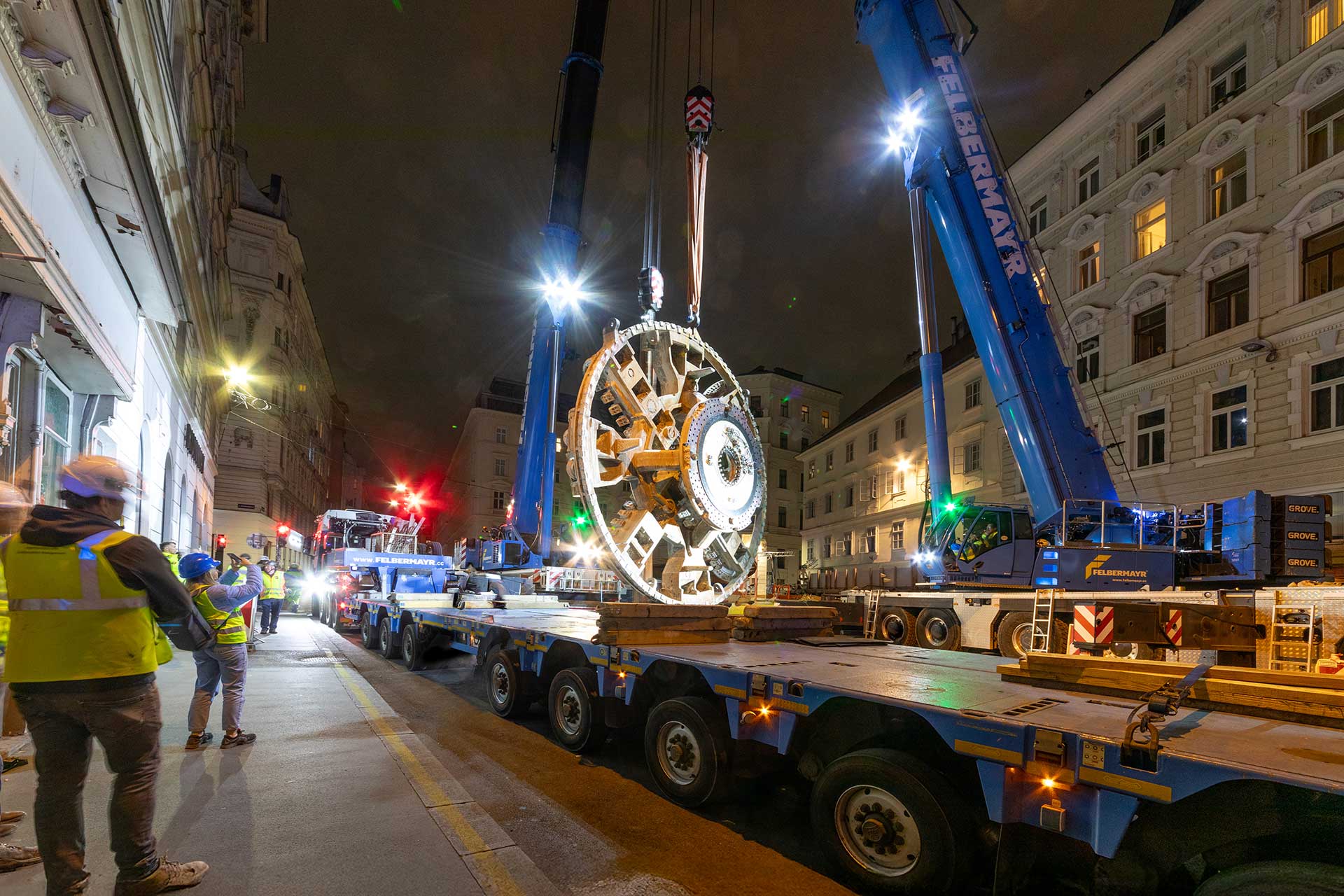
The cutting wheel drive, which weighs just under 73 tons, made the start. It was excavated and loaded with a 400-ton crane. The heart of the machine, the 78-ton cutting wheel, followed just one night later. Due to the dimensions, the component had to be lifted in tandem, with the 400-ton crane being supported by a 250-ton crane during opening and setting down. On the third day, the so-called shield tail, weighing 34 tons and with a diameter of approximately seven meters, was finally excavated and transported. “Such transports cannot be improvised; they are planned down to the smallest detail for months,” explains Thomas Daxelmüller, Deputy Director of the Lanzendorf branch and project manager at Felbermayr. “It is not enough to lift the load and drive off. We must consider every intersection, every bottleneck, every height limit in advance. ”
Vienna by night
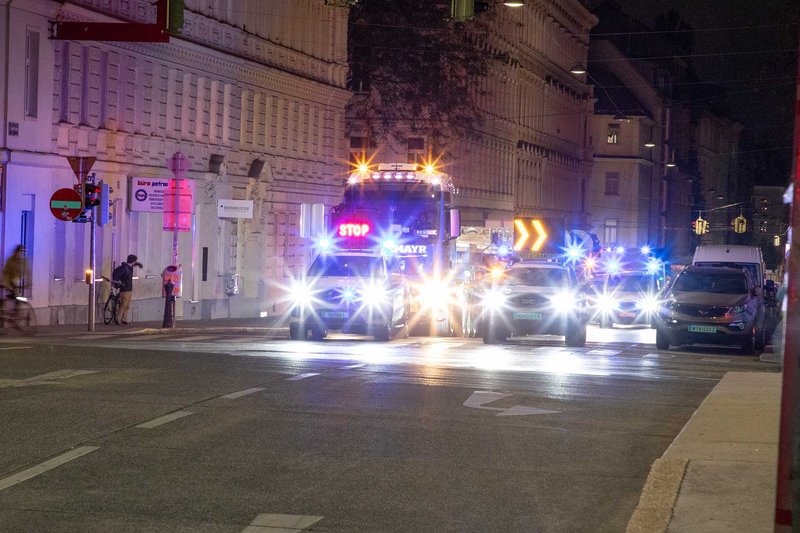
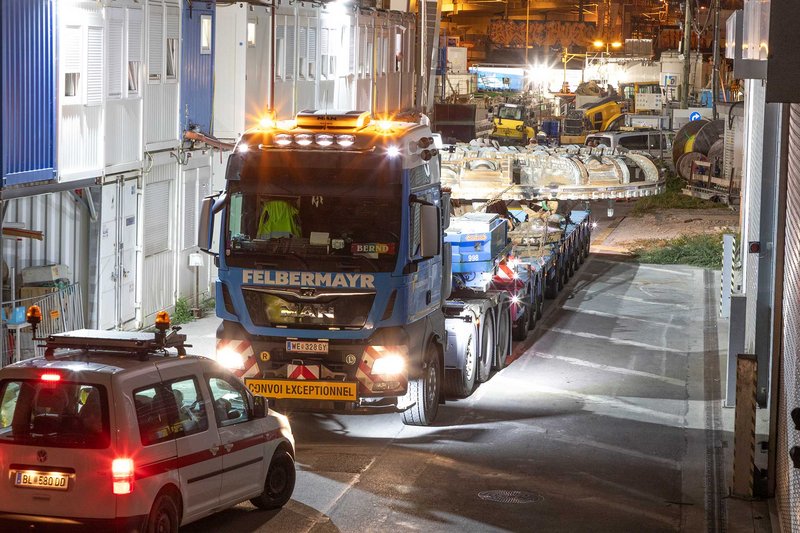
In the evening, as the Danube metropolis slowly comes to rest, the tandem hub starts. Striking, tempering, load testing — that's when the cutting wheel rises off the ground millimeter by millimeter. Guided at the center of gravity and held synchronously by both cranes, the load of the cutting wheel remains stably balanced before the component finds its place on the prepared Zehnachs semi-low loader. The four-axle tractor then set in motion — escorted by police vehicles secured by support vehicles and flanked by Felbermayr specialists who kept an eye on obstacles along the route.
The road trip took around eleven kilometers across the city. Past Lugner City, across the Gürtel in the opposite direction of travel, on towards Schönbrunn Palace and finally into the city to Matzleinsdorfer Platz. This project required sections of intersections to be blocked, lamp posts and road signs partly temporarily removed and several no-stop zones built before the convoy reached its destination at around three o'clock in the morning. “When a seven-meter wide component rolls through a metropolis, you feel the dimension of the project with every meter,” describes department and project manager Gabriel Asböck and notes: “For outsiders, it looks like a spectacle — for us, it means maximum precision and concentration. ”
In addition to orchestrating the two cranes and the transport unit, it is primarily the experts from Felbermayr Transport and Lifting Technology who guide the components safely through the inner-city corridor — particularly on narrow roads and curves. “Lifting and transporting the components is like dancing waltz,” says Asböck. “Leadership, posture, and rotation must be internalized and carried out precisely — if just one step is not in time, the figure threatens to tip over. Choreography like this can only be achieved with an experienced team and in excellent cooperation with the authorities. ”
Public transport network continues to grow
With the successful transportation of the three components, Debohra will now be ready for use again at Matzleinsdorfer Platz. There, the tunnel boring machine continues its work for the second tunnel tube — its task is to build the new U2 line from Augustinplatz to Matzleinsdorfer Platz. Together with the new U5, this will result in the U2xU5 public transport expansion — one of Vienna's largest infrastructure projects. The first tunnel tube was completed as early as summer 2025. With a drive of up to ten meters per day, she works her way towards Augustinplatz piece by piece. With U2xU5, a total of 12 new stations will be built on a route of around 11 kilometers. “When you travel through Vienna in the middle of the night with such a machine, you also think of the big picture,” summarizes Daxelmüller. “We are creating the infrastructure for the next decades here. I am pleased to see how we, as a company, are making a significant contribution to this with our know-how. ”